



July 20, 2026
Scheduling regular evaluations for restorative dentistry helps protect structural tissue long before severe pain develops. Consulting a skilled dentist in Montgomery, AL, ensures that damaged surfaces are repaired using modern, long-lasting biological materials.
Resolving basic structural cavities early is the most effective way to avoid extensive root damage over time. Monitoring minor enamel changes allows for conservative treatments that preserve the underlying natural anatomy for many years perfectly.
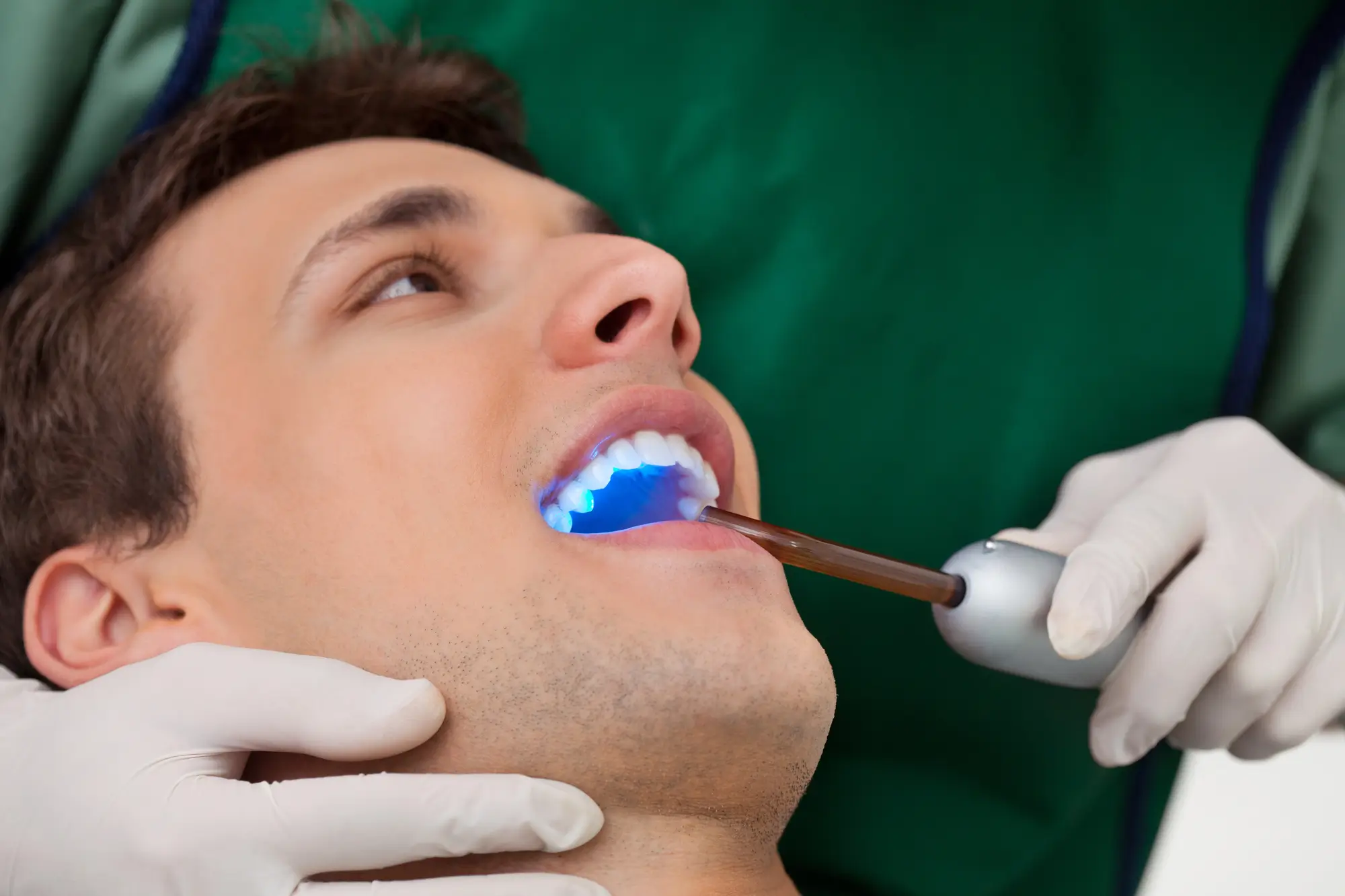
Understanding Widespread Cavity Progression and Treatments
Can a Deep Cavity Heal Safely Without Professional Clinical Intervention?
Once an active bacterial infection punctures the tough outer enamel layer, the tooth structure cannot regenerate naturally. Clinical studies indicate that progressive decay will continuously migrate deeper into internal dentin layers if left unaddressed by a professional.
Allowing a deep cavity to expand unchecked eventually introduces dangerous bacteria directly into the delicate inner nerve chambers. This advanced structural breakdown typically requires advanced surgical services to eliminate the internal infection and protect the remaining jawbone.
How Long Do Modern Composite Tooth-Colored Fillings Typically Last?
Most contemporary composite fillings provide exceptional durability, remaining fully functional for several years under normal chewing conditions. Regular wear, heavy nocturnal grinding, and poor home care habits can gradually degrade the specialized bonding material over time.
Undergoing regular checkups allows clinicians to spot microscopic leaks or chips along the margins of old restorations early. Prioritizing these routine diagnostic assessments ensures the mouth stays free of plaque through professional hygiene health and wellness protocols.
- Composite materials flex slightly under pressure to mimic natural enamel movement
- Proper daily flossing directly prevents secondary decay from forming along the margins
- Avoiding highly abrasive whitening toothpastes preserves the smooth outer surface finish
Managing Structural Damage and Complex Alignments
What Happens If a Broken Restoration is Left Exposed for Weeks?
Leaving a compromised tooth exposed allows acidic saliva and food debris to collect inside the open structure. This constant exposure creates an ideal environment for rapid decay, which can quickly weaken the remaining enamel walls and surrounding healthy tooth structure.
The compromised structure can easily fracture below the gumline during normal meals, making a standard repair impossible. When teeth are lost due to severe structural fractures, replacing them with permanent dental implants becomes necessary.
Can Severe Enamel Damage Be Linked to Ongoing Jaw Joint Strain?
An unbalanced bite caused by missing, cracked, or misaligned teeth often distributes daily chewing forces unevenly. This continuous mechanical overload places immense stress on the surrounding facial muscles and temporal joint regions.
- Fractured restorations caused by excessive, unmanaged biting forces across the arches
- Persistent morning headaches or stiffness near the ears due to nocturnal clenching
- Accelerating wear on healthy teeth that can be resolved with specialized tmj treatment options
Why Do Structural Adjustments Improve Long-Term Filling Success?
When teeth are severely crowded or crooked, cleaning the tight spaces between them becomes exceptionally difficult. This structural restriction allows plaque to accumulate along old filling borders, leading to premature failure.
Correcting these alignment issues simplifies daily brushing habits, which protects the integrity of existing restorative work. Clinical updates show that straightening teeth reduces cavity risks significantly by eliminating bacterial traps across the mouth.
Signs You May Need a Filling or Dental Cap
Many dental problems begin with subtle symptoms that are easy to overlook. Scheduling an evaluation with a trusted dentist allows small concerns to be identified before they become more extensive. Prompt treatment often preserves more of the natural tooth while reducing the likelihood of complex procedures in the future.
Some of the most common warning signs include:
- Persistent sensitivity to hot, cold, or sweet foods that does not improve over time
- Sharp pain while chewing or biting down on certain teeth
- Visible cracks, chips, or dark spots on the enamel surface
- Rough or broken fillings that catch on floss or food
- Swelling, tenderness, or recurring discomfort around a specific tooth
Even if symptoms appear mild, they may indicate hidden decay beneath the enamel. Early diagnosis allows restorative treatments such as tooth-colored fillings or custom dental caps to strengthen the tooth before irreversible damage occurs.
How Dentists Decide Between a Filling and a Custom Cap
Choosing the appropriate restoration depends on the amount of healthy tooth structure that remains after decay or damage is removed. An experienced dentist carefully evaluates the tooth using digital imaging and a comprehensive clinical examination before recommending treatment.
Small to moderate cavities are often restored with composite fillings because they preserve more natural enamel while providing excellent strength and aesthetics. However, when a large portion of the tooth has fractured or been weakened by extensive decay, a custom dental cap may offer better long-term protection by covering the entire visible surface.
Additional factors that influence treatment recommendations include:
- The size and depth of the cavity
- The location of the affected tooth and its chewing forces
- Whether an existing filling has repeatedly failed
- The patient's oral hygiene habits and risk of future decay
- Signs of teeth grinding or excessive bite pressure
Selecting the appropriate restoration helps restore proper function, improve comfort, and reduce the risk of future fractures. Receiving timely treatment also helps preserve surrounding teeth and supports long-term oral health.

Schedule a Consultation with a Dentist in Montgomery, AL
The expert team at Willis Dental Care is dedicated to providing high-quality, comprehensive oral solutions for families. Dr. Bradley Willis and our highly trained clinical staff focus on utilizing advanced diagnostic tools to deliver gentle, precise treatments.
Our practice prioritizes patient comfort, creating a relaxed environment for every single restorative procedure. We tailor each care plan to support long-term wellness and enhance natural smile aesthetics seamlessly.
Whether you need a simple filling, a custom dental cap, or a comprehensive restorative evaluation, our team is committed to helping you maintain a healthy, functional smile. We take the time to explain every treatment option so you can make informed decisions with confidence.
Please visit our online contact page today to request a comprehensive diagnostic evaluation. Our dedicated staff looks forward to helping you achieve your oral goals with a trusted dentist in Montgomery, AL.


