


September 14, 2026
Modern restorative dentistry has changed dramatically over the past decade, yet outdated myths about crowns still linger in waiting rooms across the state. Many of those myths keep patients from getting care they actually need.
Willis Dental Care wants patients across the region to make decisions based on facts, not old rumors. So before booking an appointment for dental crowns in Central Alabama, here is the truth behind eight myths that refuse to die.

Myth-Busting: What Crowns Are Really Like Today
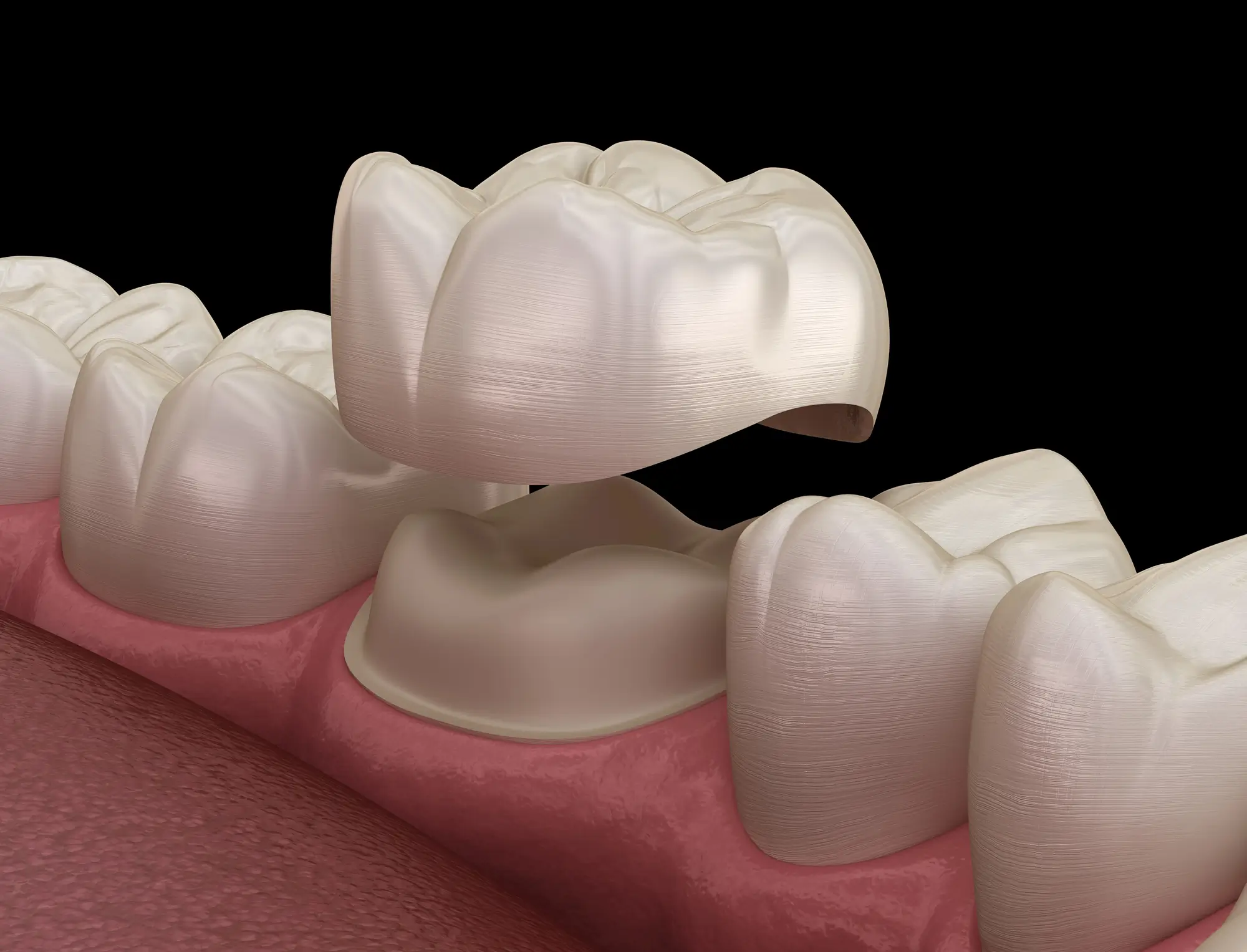
According to MouthHealthy, a crown is a cap that fully covers a damaged tooth to restore its strength, size, and shape. It remains one of dentistry's oldest and most reliable restorative tools.
That reliability, though, has not stopped a handful of myths from spreading. Here is where fact and fiction actually split.
A crown often becomes necessary after a large filling weakens, a tooth cracks, or a root canal leaves a tooth more fragile than before. It can also finish off a dental implant or hold a bridge securely in place.
Myth: A Crown Will Look Fake or Unnatural
Older crowns sometimes had a dull, opaque look that stood out against natural teeth. Today's materials are custom-shaded using the same techniques found in cosmetic dentistry, so a crown can blend seamlessly with the smile around it.
Willis Dental Care matches each crown to the surrounding teeth before it ever leaves the lab. The result is a restoration that looks like it was never there.
Digital shade-matching tools also compare a crown against neighboring teeth before it is placed. That extra step helps avoid the mismatched look that gave crowns a bad reputation in the past.
Myth: One Crown Material Works for Every Tooth
Porcelain, zirconia, and metal-based crowns each bring different strengths to the table. A front tooth often calls for a more translucent material, while a back molar may need something built to handle heavy chewing pressure.
Willis Dental Care walks each patient through the trade-offs before recommending a material. The right choice depends on the tooth's location, the bite, and the patient's own priorities.
Myth: Getting a Crown Is a Painful Process
Placing a crown involves numbing the area and reshaping only the outer layer of the tooth. Most patients describe the process as uneventful rather than painful.
Patients who still feel nervous about the visit can ask about sedation options that keep the entire appointment relaxed. There is no reason to put off treatment out of fear.
Myth: A Crown Will Straighten a Crooked Tooth
A crown reshapes and protects a tooth, but it cannot move a tooth into better alignment. That job belongs to orthodontic treatment.
Patients hoping to fix crowding or gaps alongside a new crown can ask about aligner orthodontics at the same visit. Combining treatments often produces a stronger, straighter result.
Myth: The Procedure Always Requires Surgery
Most crowns are placed over a straightforward visit or two, with no surgery involved. Some situations, however, call for a bit more preparation first.
A tooth with deep decay or limited structure may need attention from the practice's surgical services team before the crown goes on. That extra step protects the crown's long-term success.
Myth: A Crown Only Works on a Natural Tooth
Crowns are not limited to teeth with existing roots. They also cap dental implants to complete a restoration from the ground up.
Willis Dental Care builds crowns around several implant options, including:
- Single implants for one missing tooth
- Multiple implants for several teeth in a row
- Full-mouth restorations for extensive tooth loss
- All-on-X solutions for a fixed, full-arch smile
- Implant-supported dentures for a secure, removable option
Myth: Grinding Habits Will Not Affect a New Crown
Nighttime teeth grinding puts constant pressure on a crown, which can wear it down faster than normal. Most patients do not even realize they grind until damage shows up.
Morning jaw soreness, frequent headaches, or a partner mentioning nighttime noises are all common warning signs. None of them should be ignored once a new crown is in place.
Addressing the habit through the practice's sleep dentistry program protects both the crown and the surrounding teeth. A simple nightguard often solves the problem.
Myth: Jaw Pain Has Nothing to Do With a Crown
An uneven bite can place extra stress on a new crown, sometimes leading to cracks or early wear. This happens more often than most patients expect.
The TMJ treatment team can identify bite issues before or after a crown is placed. Correcting the bite helps the crown last as long as it should.
Myth: Once It Is Placed, a Crown Needs No Extra Care
A crown still sits on a natural tooth that needs daily brushing and flossing to stay healthy. Skipping routine care can lead to decay underneath the crown itself.
Regular visits through the practice's hygiene and wellness program catch small problems early. Per Cleveland Clinic, a well-maintained crown can last fifteen years or longer.
Frequently Asked Questions About Getting a Crown
How Long Does Getting a Crown Take?
Most crowns require two visits: one to prepare and shape the tooth, and a second to place the finished crown. A temporary crown protects the tooth in between.
Will Insurance Help Cover the Cost?
Many dental insurance plans cover part of the cost when a crown is medically necessary. The office team can help verify coverage before treatment begins.
What Material Is Used for the Crown?
Willis Dental Care selects the material based on the tooth's location and the patient's goals. Options range from tooth-colored porcelain to more durable blends built for back teeth.
Can a Tooth With a Crown Still Get a Cavity?
Yes, decay can still form where the crown meets the natural tooth along the gumline. Daily brushing, flossing, and regular checkups keep that risk low.

Schedule a Visit for Dental Crowns in Central Alabama Today
Now that the myths are cleared up, nothing should stand between a patient and a healthier, more confident smile. Willis Dental Care would love to help you explore whether dental crowns in Central Alabama are the right fit for your needs, so request an appointment whenever you are ready to get started.


